
Keeping your fishing gear in tip-top shape goes a long way toward more enjoyable, hassle-free trips on the water. Plenty of people toss their rods in the garage after each outing and forget about them, but a little attention to maintenance and storage can protect your investment and prevent problems down the line. I’ll break down practical ways to keep your gear ready for action and make sure it lasts season after season.
Why Fishing Gear Maintenance Matters
Fishing gear goes through a lot. Whether you’re angling from the shore, paddling a kayak, or casting from a boat, your rods, reels, and tackle get exposed to water (sometimes saltwater), dirt, sand, and sun. Cleaning and maintaining your equipment isn’t just about making it look nice; it really helps prevent breakdowns and improves performance the next time you’re out.
Saltwater corrosion, tangled lines, dull hooks, and stiff reels are all problems that can pop up from neglect. Regular maintenance also helps you spot damage early, so you avoid bigger repairs, or even gear failure, later on. I’ve learned the hard way that a little TLC saves money and frustration in the long run.
Getting Started: The Essentials of Gear Maintenance
Taking care of fishing gear becomes pretty simple with a routine. Basic cleaning and quick check-ups after each trip make all the difference. Here’s what I always do with my equipment when I get home from fishing:
- Rinse off rods and reels: A gentle spray with fresh water removes salt, sand, and dirt. If you fish in saltwater, this is really important to avoid corrosion.
- Dry thoroughly: I use a soft towel to dry everything, making sure there’s no trapped water to rust metal parts or rot cork handles.
- Inspect for damage: Cracked guides, frayed lines, broken tips, or sticky reel handles are easier to fix when you catch them early.
- Wipe down tackle: I run a cloth over lures, pliers, and scissors to remove moisture and grime.
This check-up takes just a few minutes and helps prevent a pile-up of problems. During the off season, I give my reels a deeper clean and check the drag washers, but regular care keeps that annual overhaul from becoming overwhelming.
Cleaning Your Rods, Reels, and Tackle
Dirt and salt are the main enemies of fishing gear. Here’s how I handle routine cleaning that keeps parts running smoothly:
- Rods: Rinse rods with fresh water after every trip, especially after saltwater use. For a thorough clean, use a soft bristle toothbrush around the guide rings and reel seats. A mild soap works if there’s stubborn grime, but rinse off any leftovers.
- Reels: Tighten the drag, then gently rinse under low-pressure water. Use a cloth to wipe down the exterior. Every few trips, I remove the spool and use a cotton swab to clean inside tight spots. If you want to oil moving parts, use reel oil made for the job, just a drop or two does it.
- Tackle: Take lures, hooks, and sinkers out of the tackle box and rinse in fresh water, then dry everything before storing. For rusty hooks or metal, a quick brush with fine steel wool can help, but for heavily rusted gear, replacing it is better.
Proper Storage: Keeping Gear Safe Between Trips
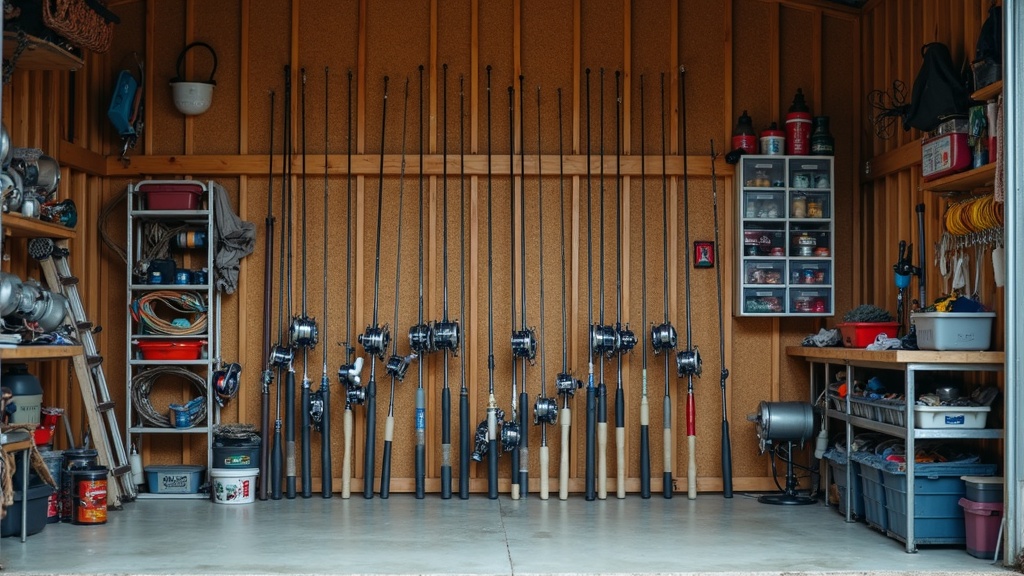
Once your gear is clean and dry, storing it the right way keeps it in good working condition. Dust, pests, and moisture can be tough on tackle if things don’t get packed away properly. A dedicated storage area can make keeping track of everything so much easier. If you struggle with clutter, try using small bins or containers for lures, spare line, and tools; it can help your gear stay organized and prolong the life of everything you use.
- Rods: I store rods vertically or flat, never leaning with too much pressure on the tip or guides. Wall mounted rod racks or simple hooks in the garage work well. Keep rods out of direct sunlight and away from damp corners.
- Reels: For longer storage, loosen the drag so the washers don’t get compressed. I cover reels loosely or even remove them from rods to let them air out. If you can, keep reels in a tackle bag or a dedicated drawer.
- Tackle boxes: Always make sure tackle is completely dry before closing the box to prevent rust. Adding a small packet of silica gel helps absorb any leftover moisture inside the box. Every so often, empty out your tackle box and give it a quick wipe just to keep things fresh and avoid any accidental mold or mildew.
- Lines: Don’t leave fishing line exposed to the sun or in hot cars, both can weaken it. Spools are best kept in cool, dark, and dry spots. If you notice the line starting to feel brittle or develop memory coils, it may be time to swap it for a new spool so you’re not caught off guard on your next outing.
Tips for Maintaining Specific Types of Gear
From flyfishing rods to baitcasters, each piece of equipment benefits from a little customized care. Here’s how I handle special items in my kit:
- Fly rods and reels: These are often pricier and a bit more delicate. I separate the rod and put sections in a cloth rod bag. Reels get a quick cleaning, with special attention to the drag system, and I oil them lightly before storage.
- Spinning reels: Clean and oil the bail arm, check the antireverse, and wipe down the body regularly. I always pull some line off to see if it’s frayed before the next trip.
- Lures and soft plastics: Keep soft baits away from hard lures in storage to avoid melting or damage. Rinse saltwater lures every time, and replace split rings or treble hooks when they show rust. Organizing soft plastics with small resealable bags can help stop colors and scents from mixing together.
- Terminal tackle: I sort my hooks, weights, and swivels in separate boxes and check them after each trip. Sharpen dull hooks using a hook file; sharp hooks mean more hookups. Take a moment to throw out anything you know you won’t use again, as clutter only increases the chance that you’ll grab something rusty or broken in a hurry.
What to Watch Out For During Gear Maintenance
Problems often crop up in the same places, so some extra attention here can save a lot of hassle later:
- Corrosion: Saltwater exposure is rough on metal. If you notice white spots, green patina, or flaking, clean it off and apply a light layer of oil or corrosion inhibitor.
- Mildew or smells: Wet gear stored in airtight spaces can get musty. Let everything dry out or use odor absorbers.
- Dull or bent hooks: Replace these (sharpening only helps so much if the metal is already weakened).
- Stiff reels or sticky handles: A bit of careful lubrication (according to your reel manual) usually solves this. Avoid using WD-40; specialty reel oil does a better job.
One more thing—don’t forget your clothing and waders! Always rinse waders, nets, and boots after each use, allow them to dry thoroughly, and check for any tears that might let water in on your next trip. Keeping your clothes and outerwear tidy is just as important as maintaining rods and reels.
Dealing With Rust
Rust can sneak up quietly. I’ve found routine inspection and quick swaps for rusty hardware keep my gear performing. For minor surface rust, gentle rubbing with fine steel wool and a bit of oil helps, but for major rust, replacement is safer. Sometimes a little preventive maintenance with a corrosion inhibitor on metal parts will make a big difference if you are fishing in wet or salty conditions on a regular basis.
Tackling Tangled or Damaged Line
Tangled or nicked line can cause heartbreak on the water. I always check for rough patches by slowly running the line between my fingers, cutting away any damage and retying knots as needed. Stored properly, fresh line lasts longer and gives fewer headaches. Don’t forget to remove old leaders or tippets as well—if they’re starting to look cloudy or stiff, swap them out so you’re not stuck retying on the water.
How Proper Maintenance Impacts Your Fishing Trips
Nothing ruins a fishing trip like a seized reel, a snapped line, or a stuck lure. Regular care keeps your gear working like it should, helps you cast farther, and makes fighting fish smoother. Clean, loopfree line helps avoid wind knots, and sharp hooks turn more bites into catches.
I’ve noticed that friends who baby their gear end up fishing more and fixing less. Proper storage also means less wasted time looking for that specific lure or untangling a pile of rods from the back of the truck. It’s amazing how a few minutes spent at the end of each trip can make your next outing run that much smoother and keep you focused on what matters: catching fish and having a great time.
Frequently Asked Questions
How often should I clean my fishing gear?
I rinse and wipe gear after every trip, with more detailed cleanings if I fish in saltwater or notice gunk building up. At least once a season, reels and tackle boxes get a deep clean.
What’s the best way to store rods and reels in the off season?
Store rods in a rack or case, out of sunlight and away from damp. Loosen drag settings on reels, and store both in a spot that stays dry and cool. Avoid garages with big swings in temperature if possible.
How do I prevent rust in my tackle boxes?
Dry everything before storing and consider tossing in a silica packet or two. Don’t leave wet lures or hooks inside sealed boxes.
Is it okay to use general household oils on fishing reels?
Not really. Reel specific lubricants work better and won’t gum up or damage components over time. These are easy to find in most tackle shops.
Should I replace fishing line every season?
If you fish often, yes—fresh line casts better and is less likely to snap when it matters most. Occasional anglers can get away with swapping line every year or two, but always check for damage or memory before your first trip each season. Monofilament line ages faster than braid or fluorocarbon, so adjust as needed based on your favorite type.
Final Thoughts on Keeping Fishing Gear in Top Shape
Paying attention to regular cleaning and smart storage makes sure your fishing gear stays reliable. Gear that’s ready to go means more time focused on catching fish and less hassle fixing things at the water’s edge. A few habits make all this easy, and your gear will thank you by performing well year after year. Good maintenance is a big part of having a smooth, fun day whenever you head out to fish. Plus, passing along well cared for gear beats handing down rods and reels that just gather dust or break down sooner than expected.