
Knowing some basic survival skills comes in really handy if you ever find yourself in an unexpected emergency. Whether it’s a camping mishap or a sudden natural disaster, having a few tricks up your sleeve can help you stay safe and calm. I’ve spent a lot of time outdoors, and over the years, I’ve come to rely on some practical survival skills that just about anyone can learn. Here’s my guide to the basics that everyone should know. Nothing fancy, just straight-up useful stuff that could help you out when things get tough.
Why Survival Skills Matter for Everyone
A lot of people think survival skills are just for hardcore adventurers or scouts. Truth is, even if you never plan on getting lost in the wilderness, life throws curveballs once in a while. Power outages, getting stranded in your car, or simply heading out for a weekend hike that runs into trouble. These are moments when knowing the basics pays off.
Modern conveniences are awesome, but during big storms, earthquakes, or even just a flat tire far from help, technology isn’t always available. That’s when a solid foundation of practical skills helps bridge the gap until things return to normal. In my experience, being prepared isn’t about living in fear. It’s about feeling confident you can handle whatever comes your way.
The Bedrock of Survival: What to Focus On
Tracking down the “big four” survival priorities is a pretty good place to start. Here’s what I try to remember in every situation:
- Shelter: Keeps you dry, warm, and protected from the elements.
- Water: Staying hydrated supports your energy and clear thinking.
- Fire: Provides warmth, light, and a way to cook food or boil water.
- Food: Not always an urgent priority, but knowing how to find something edible sure helps if you’re out for a while.
All of these are simple in theory, but things get tricky fast outdoors, especially when the weather isn’t on your side or gear is limited. Practice and preparation make a big difference. It’s smart to learn the basics and try them out in low-pressure situations first, so you’re not scrambling when emergencies pop up.
Easy Shelter Skills Everyone Can Learn
Staying dry and warm makes a huge impact on your ability to keep going in a tough spot. Even a basic shelter can shield you from rain, wind, cold, or the hot sun. I usually keep a simple tarp or emergency blanket in my daypack since it’s light and super versatile. But if you don’t have gear on hand, you can improvise with natural materials.
- Tarps and Blankets: Drape a tarp over a branch and weigh down the corners with rocks for a quick shelter. If you have paracord, you can stretch the tarp between trees for even more coverage.
- Natural Shelters: Fallen branches, leaves, and pine boughs can be stacked up to form a “debris hut.” Make sure there’s space between you and the cold ground by piling up leaves or grass for insulation.
- Stay Dry: If it’s wet out, set up your shelter before you get soaked. Staying dry is very important for keeping your body temperature steady.
Shelter building is actually pretty fun to practice, even in your own backyard. It’s a skill that earns its keep the very first time you need it. Practicing different shapes and trying out what materials work best in your area can make a difference if you ever have to build one for real.
Getting Clean Water: What Works (and What Doesn’t)
Water is a real priority if you want to keep your energy up and think straight. Clean water isn’t as easy as just scooping up from a stream and drinking right away. I always bring a small filter or water purification tablets when heading outdoors. Even a basic filter straw can really help.
- Boil It: If you have fire and a metal container, boiling water for one minute takes care of most germs.
- Filter and Purification Tablets: These are simple to carry and great backups. Use a bandana or shirt to remove debris before you filter, then purify as needed.
- Avoid Unsafe Water: Stay away from water that looks, smells, or tastes weird, or that’s downstream from obvious pollution such as farms or factories.
Hydration is super important, so knowing two or three ways to make water safe is worth the effort. Don’t forget: if you’re not sweating much because it’s cold, you still need to drink water regularly to avoid dehydration. If you’re unsure, always err on the side of caution and treat your water.
Fire Starting Without Fuss
Lighting a fire seems easy…until your matches get soggy and everything around is damp. I always add a lighter, some stormproof matches, or a ferro rod to my kit. A few cotton balls smeared with petroleum jelly make awesome fire starters that fit in any pocket.
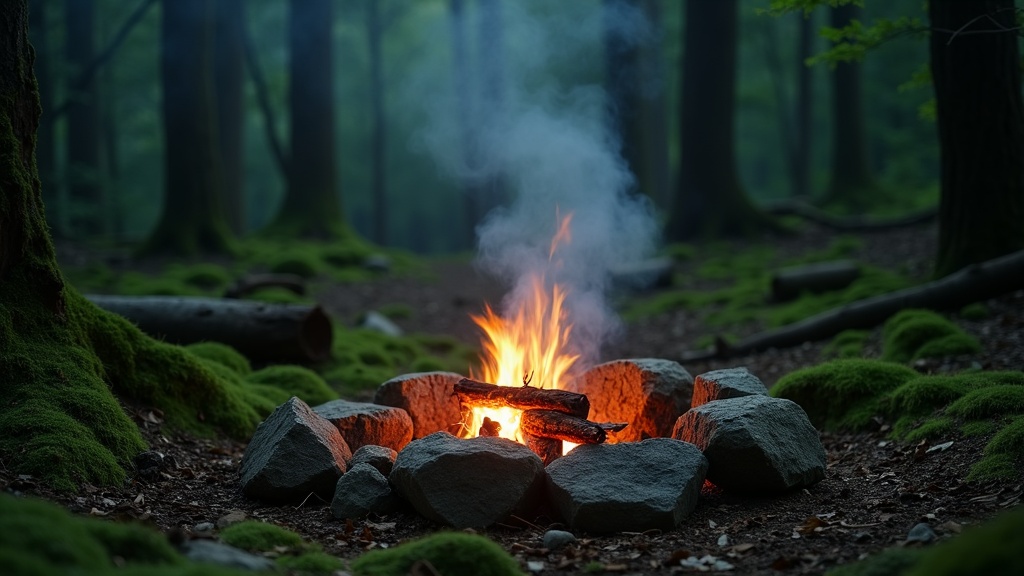
- Pick the Right Spot: Clear away dry grass and twigs around your fire spot. Rocks make a good ring to keep the fire contained.
- Build a Teepee or Log Cabin: Start with small, dry twigs and stack them in a teepee or log cabin shape to help airflow and build heat quickly.
- Prepare Tinder and Kindling: Tinder catches a spark easily; it could be dry grass, bark shavings, or even dryer lint. Kindling is a bit larger and helps the fire grow.
Practice getting fires going with only one match or a spark. A rainy day is not the time you want to learn what works. Being able to make fire reliably often makes the difference between a tough situation and an outright emergency.
Finding and Preparing Food When You Need To
When you’re really hungry, just about anything looks appetizing, but that’s definitely not the time to eat everything you see. Learning about what’s safe (and what’s not) takes patience. I always pack a couple of high energy snacks in my emergency kit as a backup. If you do need to find food outdoors:
- Edible Plants: Only eat wild plants you’re 100% sure are safe. Many are tricky to identify, and the wrong ones can make you super sick. Some easy options are dandelion greens and cattails, but always be certain before you eat anything.
- Fishing and Trapping: Survival fishing kits and simple snares can help, but they take practice to use efficiently. In a short term emergency, focus more on shelter and water first.
- Insects: Not everyone’s favorite, but some bugs are edible if you’re desperate. Avoid brightly colored or hairy insects because they’re often toxic. Research ahead of time so you make safe choices if you ever need to rely on wild food.
Keep in mind that food usually isn’t the most urgent need in the short term. You can survive several days without eating, so don’t risk your health by guessing with unknown plants or animals.
Preparing and Practicing for Real-Life Emergencies
A lot of survival success comes down to mindset and being ready, not just physically but mentally. You don’t always see emergencies coming, but you can prep for them. I keep a basic kit in my car and at home: fire starters, a knife, whistle, water treatment tablets, compact first aid supplies, and a multitool. These small items fit just about anywhere and cover a lot of ground if things go sideways.
- First Aid: Brush up on the basics. Stopping bleeding, treating burns, and splinting a sprain are things anyone can learn from free online resources or local courses. Even knowing how to use your kit properly can make a huge difference.
- Navigation: Get a simple map and compass and learn the basics. GPS is great, but batteries can run out or you could be out of range, so having that backup can be a lifesaver.
- Signaling for Help: Whistles, mirrors, and even brightly colored clothing can make you more visible if someone is searching for you. Practice using signals so you’re not figuring it out in a panic.
What really makes these skills valuable is running a few drills. Practice building a shelter, lighting a fire in damp conditions, or filtering water from a muddy puddle. It’s easier, and much less stressful, to work out these skills before you actually need them. Grab a friend or family member and make it a game to see who can build the best shelter or start a fire the fastest.
Common Survival Challenges (And How to Beat Them)
- Weather Surprises: Cold, rain, and wind sap your strength and can be dangerous. Dress in layers, keep a rain jacket handy, and always check the forecast if possible. Choose your gear wisely to suit the climate you’re in.
- Panic: Stress makes it hard to think clearly. Pause, breathe, look around, and make a plan. Staying calm is key for good decisions, and just taking a moment to gather yourself can change everything.
- Gear Fails: Even the best tools break sometimes. Practice using everything you carry, and always have a backup if you can. Learning to improvise from what’s around you builds resilience.
Shelter Failures
If your shelter collapses or isn’t effective, take some time to reassess your position. Sometimes moving to a different spot for more natural protection, like a rock overhang, is the smarter move. Don’t hesitate to rebuild if it means a safer, warmer night, and remember that flexibility is your friend.
Water Safety
Never skip treating your water, even if it looks clear. Diarrhea or stomach aches make survival much harder, so taking that extra step truly helps in the long run. Carry something in your kit for water treatment every time you head out.
Tips for Staying Safe and Ready
Preparing ahead beats improvising in the moment. Here’s what I always keep in mind:
- Keep a basic kit stashed in your car, backpack, or at home.
- Practice skills each season because weather changes can trip up even experienced folks.
- Let someone know where you’re headed if going out solo, and agree on when you’ll check in.
- Stay up-to-date on first aid skills and keep your kit refreshed and ready.
These habits are easy to build and make you way more prepared for the unexpected. The more you practice, the more confident you’ll feel handling whatever life throws your way.
Frequently Asked Questions
Question: What’s the best survival skill for complete beginners to learn first?
Answer: I always recommend shelter building. Even a very basic shelter can protect you from rain or cold and buy you time to solve other problems. Once you’re comfortable with shelters, step up your water and fire skills.
Question: How much gear do I really need to carry?
Answer: My rule is to keep things lightweight and simple. Focus on fire, water, first aid, and signaling supplies above everything else. Add extras once you’ve nailed the basics, but don’t let your kit get so bulky you leave it at home.
Question: How important is it to practice survival skills before I actually need them?
Answer: Practicing ahead of time makes everything way less intimidating. Even short backyard sessions help skills stick when you’re stressed out in the real world. Learning by doing takes the pressure off when things get serious.
Starting Your Survival Skill Adventure
Knowing a few solid survival skills builds confidence, reduces stress, and helps you stay safer in unexpected situations. Shelter, water, fire, and basic first aid cover most challenges you’ll face outdoors or during emergencies at home. With some preparation and regular practice, these basics become second nature and may even save your life someday. I keep learning and brushing up on these skills whenever I can, and I think you’ll find them pretty useful, no matter where you live or what surprises come your way. Time to roll—try practicing a new skill this week and see just how much you can learn with a bit of time and commitment.